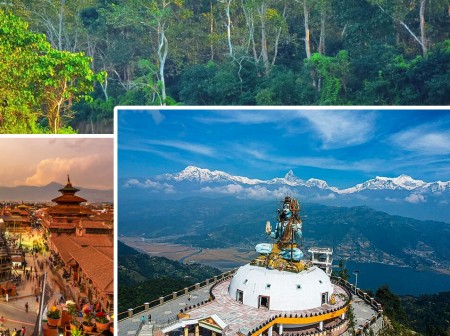
Trekking in Nepal: Solo or With a Guide?
- soleencounters
Navigating the Trails of Nepal
Trekking in Nepal is a dream for adventurers around the world. With iconic routes like the Everest Base Camp Trek, Annapurna Circuit, and Langtang Valley, the country offers experiences that combine culture, nature, and challenge in one unforgettable journey.
Table of Contents
One of the first—and most important—decisions you’ll face is this: Should you trek solo or with a guide? Each option has its own set of pros and cons, and your choice can significantly shape your experience. As a Nepal-based expert in guided adventures, Sole Encounters Trekking Pvt. Ltd. is here to help you make an informed decision based on your goals, experience level, and the specific region you plan to explore.
Can You Trek Solo in Nepal?
Yes, solo trekking is possible in many parts of Nepal, but with key limitations. In recent years, the Nepal Tourism Board and local authorities have tightened regulations to prioritize safety. In March 2023, it was announced that solo trekking without a licensed guide is no longer permitted in most regions, especially in high-altitude and remote areas.
However, a few regions still allow independent trekking with proper permits, including:
-
Annapurna Conservation Area (with restrictions)
-
Langtang National Park
-
Lower Mustang
Trekking in restricted regions like Upper Mustang, Manaslu, and Dolpo requires both a registered guide and a minimum of two trekkers as per government rules.
For up-to-date guidance on which areas are currently open for solo treks, contact our team here.
Pros and Cons of Solo Trekking in Nepal
Advantages of Solo Trekking:
-
Flexibility: Go at your own pace and change your itinerary freely.
-
Cost Savings: You’ll save on guide and porter fees.
-
Adventure Appeal: Greater sense of self-reliance and accomplishment.
Disadvantages of Solo Trekking:
-
Navigation Challenges: Trails aren’t always well-marked, especially off-season or after snowfall.
-
Safety Risks: You’re more vulnerable in case of altitude sickness, injuries, or getting lost.
-
Permit Limitations: Many treks legally require guides (e.g., Everest Base Camp region since 2023).
-
Limited Local Insights: You miss out on cultural interpretation and hidden gems a guide can share.
Why Trekking With a Guide is Often the Best Choice
In a country as diverse and unpredictable as Nepal, having a local, licensed guide can elevate your trek from memorable to life-changing. At Sole Encounters Trekking Pvt. Ltd., our professional guides are more than trail experts—they are cultural ambassadors, safety allies, and your connection to the authentic Himalayan experience.
Benefits of Trekking With a Guide:
-
Expert Navigation: Know exactly where to go, especially on lesser-known trails.
-
Cultural Enrichment: Learn about local customs, Buddhism, Sherpa heritage, and more.
-
Emergency Support: Get help immediately in case of altitude sickness or injury.
-
Permit Handling: We manage all logistics including TIMS, ACAP, and national park permits.
-
Connection with Locals: A guide acts as your translator and bridge to remote communities.
-
Sustainable Travel: Hiring local guides supports the regional economy and responsible tourism.
Our guided trips, such as the Everest Base Camp Trek and Annapurna Base Camp Trek, include all permits, accommodation, transportation, and expert guidance, making your experience safe and seamless.
Cost Comparison: Guide vs. Solo
Solo Trekking Costs (Approximate Daily):
-
Accommodation: $5–10
-
Meals: $10–15
-
Permits: $40–50 total (varies)
-
Miscellaneous (snacks, charging, hot showers): $5–10
-
No guide, no porter
Guided Trek Costs (Daily or Package):
-
All accommodation and meals included
-
Licensed guide and/or porter
-
Transport, permits, logistics arranged
-
Package price: Starts from $850 for shorter treks to $1500+ for longer routes
Though solo trekking may appear cheaper, guided packages offer better value in terms of comfort, safety, and cultural depth.
Best Treks for Guided Experiences
Some routes are highly recommended for guided treks due to remoteness, altitude, or regulation:
-
Everest Base Camp Trek: Legally requires a guide post-2023; challenging terrain, high altitude.
-
Manaslu Circuit Trek: Restricted area; guide and group mandatory.
-
Upper Mustang Trek: Cultural treasures and limited access; must be guided.
-
Langtang Valley Trek: Can be done solo with caution, but a guide offers added value.
For more options, visit our Trekking in Nepal page.
Best Treks for Independent Trekkers (Where Permitted)
In regions where solo trekking is still allowed, the following routes are considered safer and more accessible:
-
Ghorepani Poon Hill Trek: Short, well-traveled, ideal for beginners
-
Mardi Himal Trek: Scenic, moderate altitude, close to Pokhara
-
Helambu Trek: Near Kathmandu, culturally rich
Still, we recommend at least hiring a porter or part-time guide, especially for first-timers.
Is Solo Trekking Legal in 2025?
As of 2025, the Government of Nepal requires trekkers to hire a registered guide for most national parks and conservation areas. The intention is to minimize search and rescue incidents and promote responsible tourism. This policy especially applies to:
-
Everest Region (Sagarmatha National Park)
-
Manaslu and Tsum Valley
-
Upper Mustang
-
Kanchenjunga and Dolpo
Always check the latest trekking regulations before your trip. Contact us for the latest updates and personalized recommendations.
Trekking Solo vs. Guided: What Should You Choose?
Choose Solo Trekking If:
-
You're highly experienced in multi-day treks and route planning
-
You’re trekking in allowed regions (with permits)
-
You speak basic Nepali or are confident in self-navigation
-
You accept and prepare for all risks involved
Choose a Guided Trek If:
-
You’re new to high-altitude trekking
-
You want peace of mind with logistics and safety
-
You’re exploring restricted or challenging regions
-
You want to understand local culture in-depth
Conclusion: Let Your Experience Guide Your Decision
There is no one-size-fits-all answer when choosing between solo or guided trekking in Nepal. It depends on your comfort level, destination, trekking season, and personal preference. While solo trekking offers independence, a guided trek ensures safety, cultural connection, and logistical ease, especially under Nepal’s evolving travel regulations.
At Sole Encounters Trekking Pvt. Ltd., we’re here to help you choose the best path forward. Whether you dream of the Everest Base Camp, the sacred lands of Upper Mustang, or a peaceful Annapurna adventure, our expert team ensures your journey is both safe and unforgettable.
Explore our full range of Trekking in Nepal packages or contact us to begin planning your Himalayan experience.
Recent Posts
.jpg)
3rd Jul, 2025
.jpg)
4th Jul, 2025
.jpg)
4th Jul, 2025
.jpg)
7th Jul, 2025
.jpg)
8th Jul, 2025
.jpg)
8th Jul, 2025
.jpg)
8th Jul, 2025

10th Jul, 2025